1. Ginger
( Zingiber officinale)
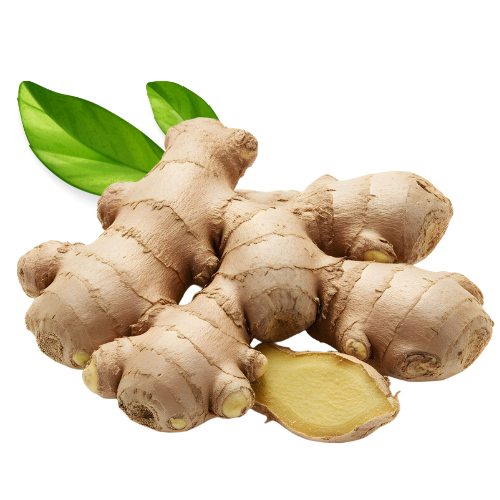
Key bio-compounds: gingerols, shogaols, zingerone.
Benefits:
- Promotes digestion, reduces nausea (including motion sickness and pregnancy-related) via gastrointestinal motility and blocking nausea receptors.
- Anti-inflammatory and antioxidant action: elevates antioxidant enzymes (SOD, catalase, glutathione peroxidase) and reduces oxidative markers in animal studies.
- May support blood-sugar regulation and heart health: early research shows ginger may help with insulin sensitivity, fasting glucose, cholesterol and triglycerides.
2. Avarampoo
(Flowers of Senna Auriculata)
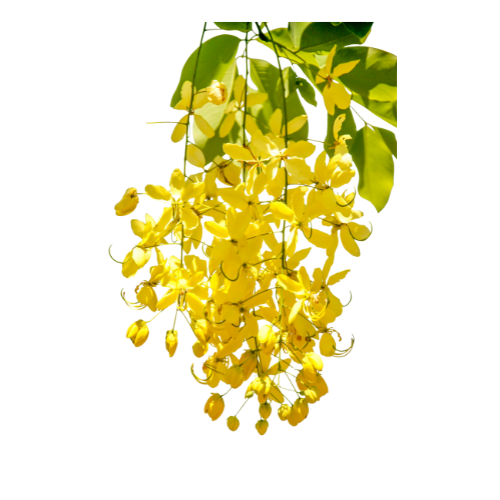
Key bio-compounds: phenolics, flavonoids, terpenoids, glycosides such as 5-O-methylquercetin 7-O-glucoside.
Benefits:
- Demonstrates antioxidant and antimicrobial activity in leaf/flower extracts: e.g., strong phenolic & flavonoid contents, inhibition of bacteria.
- Exhibits anti-inflammatory effects: the flower extract showed significant reduction in induced oedema in rats, attributed to flavonol glycosides.
- Potential antidiabetic action: computational docking studies show certain compounds from S. auriculata bind to α-amylase (a carbohydrate-digesting enzyme), suggesting glucose regulation potential.
3. Gymnema Tea
(Leaves of Gymnema sylvestre)
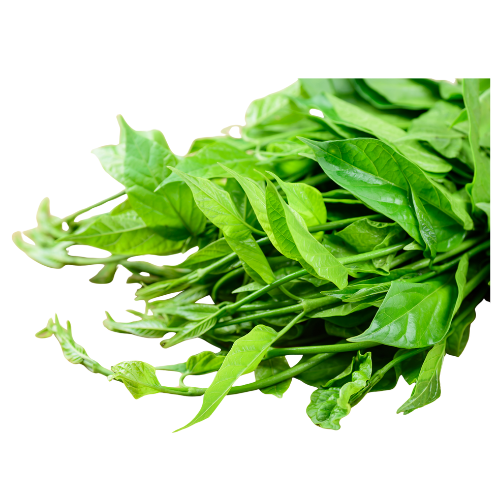
Key bio-compounds: gymnemic acids (triterpenoid saponins), glycosides, steroids (like stigmasterol), oleic acid.
Benefits:
- Antidiabetic/hypoglycemic: Review articles indicate the leaves contain gymnemic acids and saponins which help reduce sugar cravings and support blood-sugar control.
- Antimicrobial and other bioactivities: Leaf/root extracts show antimicrobial activity; GC-MS found compounds like eicosane, oleic acid, stigmasterol, vitamin E.
4. Nannari Root Tea
(Roots of Hemidesmus indicus)
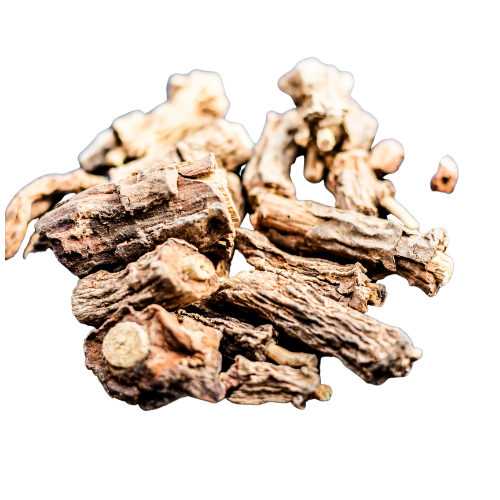
Benefits:
- Traditionally used for body-cooling (coolant effect), blood purification, digestive support, urinary comfort — all based on ethnobotanical records.
- Some research suggests the plant has antioxidant and anti-inflammatory properties (requires deeper sourcing).
5. Tulsi Tea
(Leaves of Ocimum sanctum)
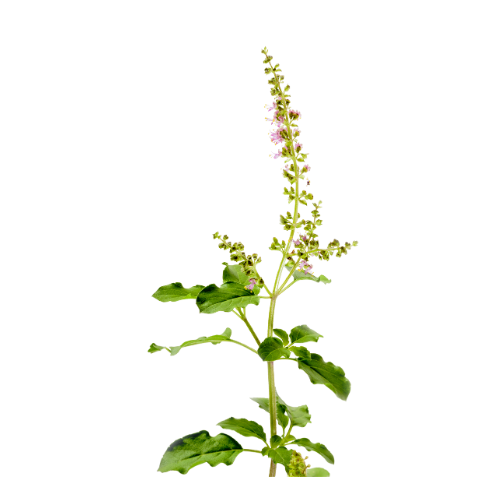
Key bio-compounds: eugenol, ursolic acid, rosmarinic acid, flavonoids.
Proven benefits:
- Known to reduce stress (adaptogenic effects), support immune and respiratory health, and aid digestion via strong antioxidant action.
6. Lemongrass Tea
(Stalks of Cymbopogon citratus)
Key bio-compounds: citral, limonene, flavonoids, phenolic acids.
Proven benefits:
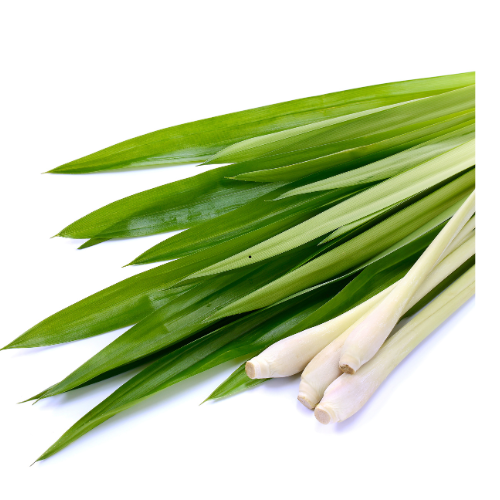
- Supports digestion, eases bloating, may promote calmness/sleep and heart health.
7. Cinnamon Tea
(Bark of Cinnamomum verum)
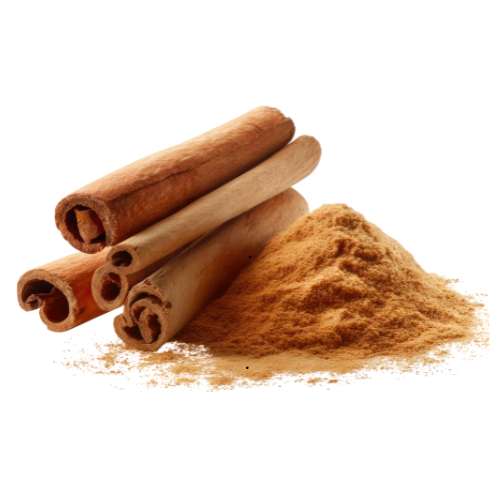
Key bio-compounds: cinnamaldehyde, eugenol, procyanidins.
Proven benefits:
- Evidence suggests potential in blood sugar regulation, circulation support and metabolism boost.
8. Ashwagandha Tea
(Roots of Withania somnifera)
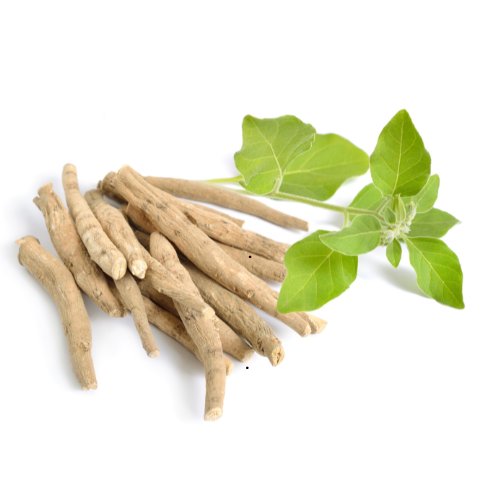
Key bio-compounds: withanolides (steroidal lactones), sitoindosides, alkaloids.
Proven benefits:
- Reduces stress, enhances sleep, supports energy, hormonal and joint health (adaptogenic and anti-inflammatory).
9. Hibiscus Tea
(Petals of Hibiscus sabdariffa)
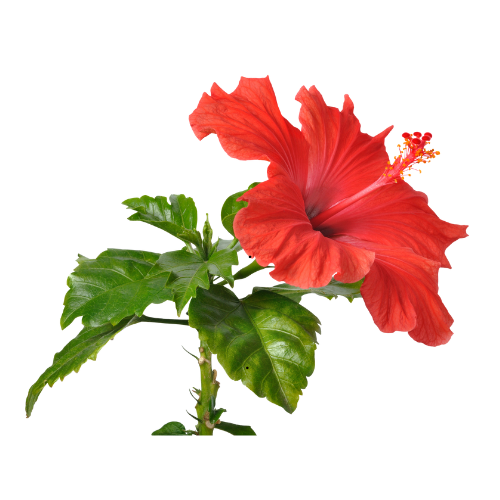
Key bio-compounds: anthocyanins (delphinidin, cyanidin), hibiscus acid, flavonoids, phenolic compounds.
Proven benefits:
- May help lower blood pressure, support heart health, aid cholesterol/ lipid balance and boost immunity.
10. Rosemary Tea
(Leaves of Salvia rosmarinus)
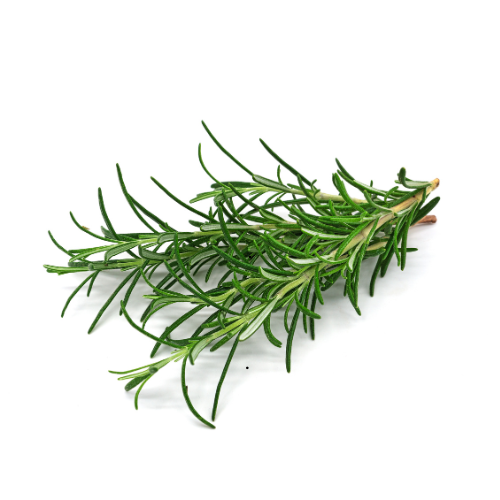
Key bio-compounds: rosmarinic acid, carnosol, carnosic acid, flavonoids.
Proven benefits:
Supports memory/cognitive function, digestion, reduces inflammation and boosts circulation.
📌 Important Disclaimers & Tips
“Research-supported” doesn’t mean “cure” — lifestyle factors (diet, exercise, sleep) remain fundamental.
These herbs show potential benefits, but tea form vs. high-dose extracts may differ in potency, delivery and safety.
If you or someone is pregnant, on medication (especially for diabetes, blood pressure, anticoagulants), or has a disease condition — consult a healthcare professional before using herbal teas for therapeutic purposes.
Quality of the herb (source, processing, dosage), form (tea, extract, powder) and consistency matter for results.